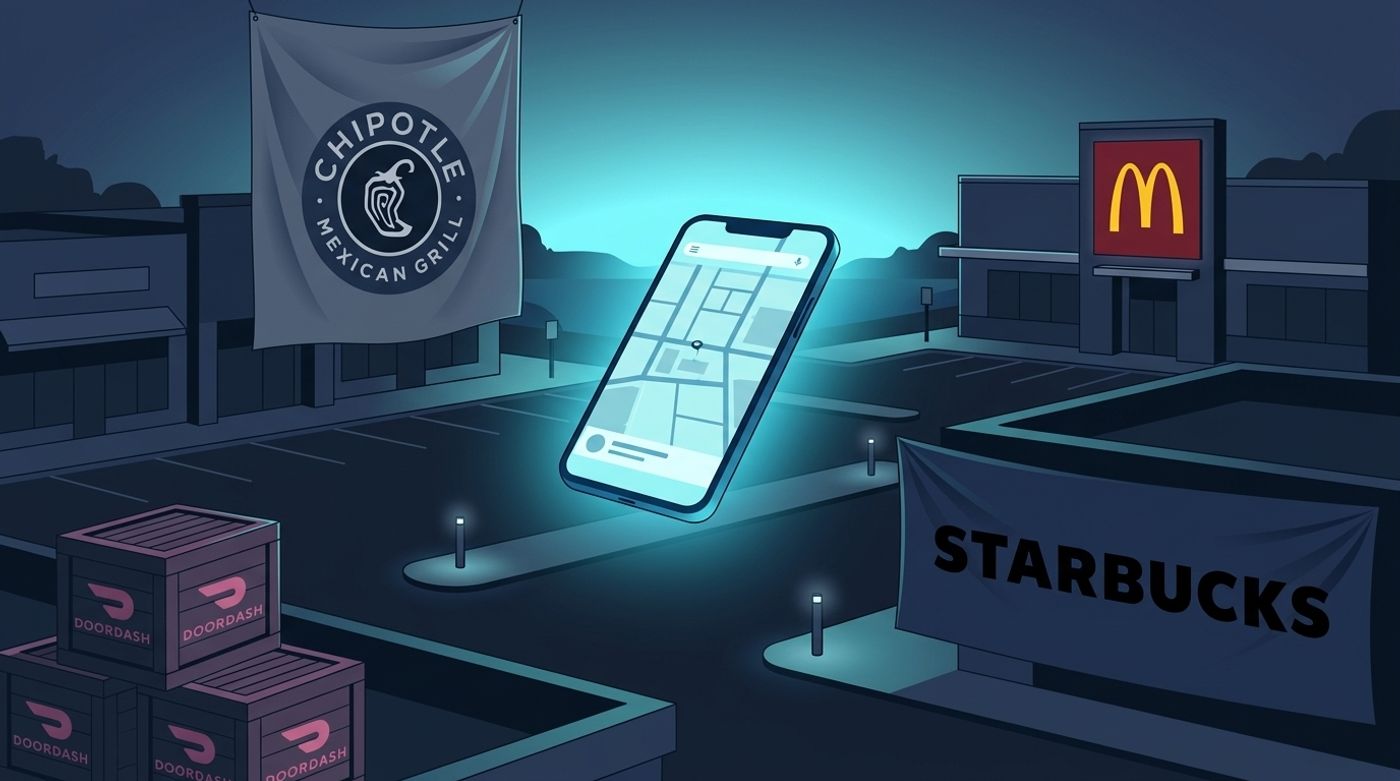
When a $17 billion mega-merger leaks, markets typically trade the antitrust risk or the immediate equity pop. But DoorDash exploring a buyout of Instacart (a deal rumored to be announced as early as Thursday, according to CNBC) signals a much deeper structural shift for the Restaurants sector. The era of venture-subsidized delivery is officially dead. In its place sits a consolidated last-mile duopoly ready to extract rent.
The economics of the last mile
For the past five years, restaurants have relied on third-party aggregators for incremental volume, treating steep platform take-rates as a necessary marketing expense. But as food service industry revenue limps along at a 1.2% compound annual growth rate , that delivery volume is no longer incremental—it is foundational.

The mechanics here are brutal for the merchants. Fast food and quick-service operations generally run razor-thin net profit margins between 6% and 9% . When an aggregator controls the local geographic node, they dictate the fees. A combined DoorDash-Instacart entity wouldn't just cross-sell burritos and groceries; it would command the consumer interface, effectively turning the underlying restaurants into commoditized white-label kitchens.
The fragile margin rebuild
This aggregator consolidation collides directly with the restaurant industry's desperate attempt to rebuild profitability. Commodity and wage inflation are finally cooling, prompting chains to roll out aggressive value menus to win back low-income consumers who actively traded down over the last several quarters.
Look at Chipotle. The burrito giant just jumped 7% after reporting resilient same-store sales, specifically noting that low-income consumers outperformed the high-income cohort for the first time this year. Yet even with that traffic win, Chipotle's restaurant-level operating margin shrank to 23.3%. If a top-tier operator with a massive proprietary loyalty program is facing margin compression, middle-tier regional chains are entirely exposed to the aggregator fee squeeze.

Scale as the only defense
As the platforms tighten their grip, the divide between the mega-cap survivors and the trapped middle is widening. Scale is the only negotiating leverage left on the table.
McDonald's and Starbucks have the balance sheets to invest in owned-app infrastructure and the transaction volume to force platforms into capped-fee agreements. Everyone else absorbs the hit. DoorDash heads into its November 4 earnings print with Scouter’s catalyst modeling mapping a bull target of $250 against a $225 base. That setup will test exactly how much pricing power the platform can flex before merchant volumes finally break.