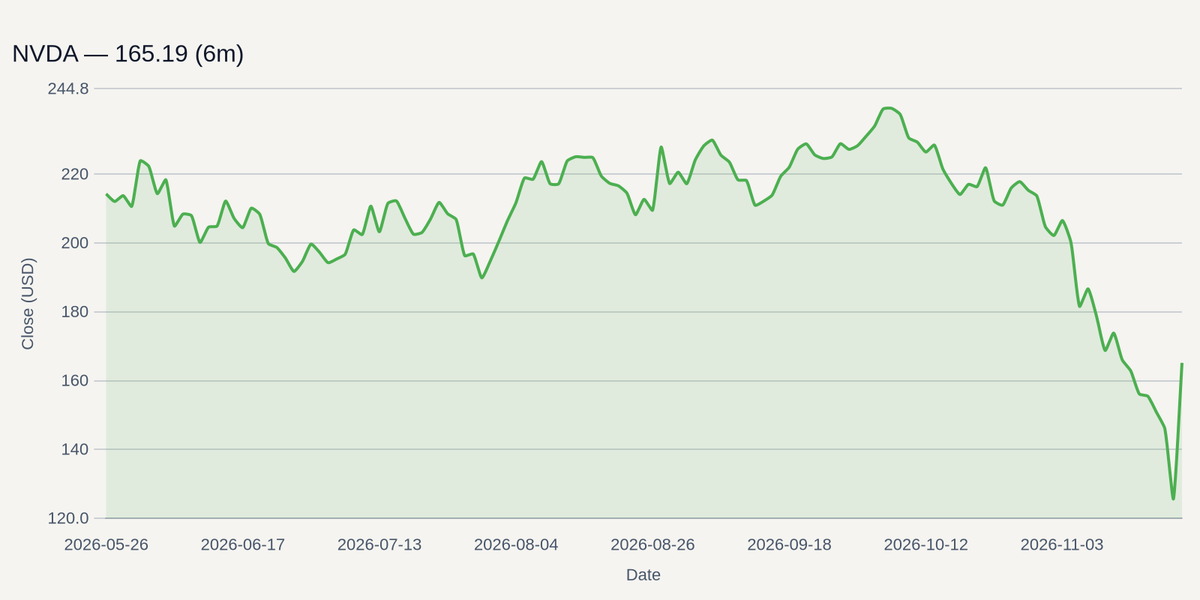
Today, NVDA added roughly $950 billion in market capitalization in a single session following the reinstatement of its CEO, clawing back a massive chunk of a brutal multi-week drawdown. But while the market fixates on the leadership drama, the real story is corporate finance. A trillion-dollar intraday expansion radically alters a company's Weighted Average Cost of Capital (WACC). This provides a perfect real-time case study in how mega-cap tech uses historic equity premiums to decouple from traditional debt constraints.
The Zero-Cost Currency Moat
The artificial intelligence infrastructure cycle is wildly capital-intensive, forcing companies across the hardware stack to tap credit markets. That debt is getting expensive: investment-grade tech bonds from hyperscalers now yield between 6% and 8%, driven lower in price by a staggering $271 billion in year-to-date debt and equity issuance . When borrowing costs sit at 8%, a traditional company's hurdle rate for new projects rises in tandem.
Nvidia bypasses this entirely by expanding its equity base to nearly $4 trillion overnight, essentially minting zero-cost currency. It does not need to issue expensive bonds to fund capital expenditures, utilizing its equity premium as an insurmountable moat.
Starving the Lower Capital Tiers
This dynamic creates a severe bifurcation in Cost of Capital Immunity in Mega-Cap Tech. Mega-caps like MSFT and AMZN leverage bulletproof balance sheets to absorb massive AI investments without structurally impairing their WACC. Comparing these fortresses to traditional defensive equities is increasingly standard practice for institutional allocators seeking safety amid volatility .

Meanwhile, smaller players in the ecosystem face existential constraints. Micro-cap tech names like HPAI and EAXR are being squeezed out, forced into toxic equity dilution or reverse splits simply to keep the lights on. When the cost of debt is inaccessible and the equity is deeply depressed, these smaller firms cannot participate in the capital-heavy buildout.
Weaponizing the Balance Sheet
The implication for the next multi-year cycle is clear: dominant tech firms will weaponize their cost of capital advantage. With credit markets penalizing heavy borrowers, those with inflated, liquid equity can fund infrastructure pipelines that competitors simply cannot match. This allows them to secure scarce supply chain components, poach top engineering talent via stock-based compensation, and dictate harsh terms to suppliers.
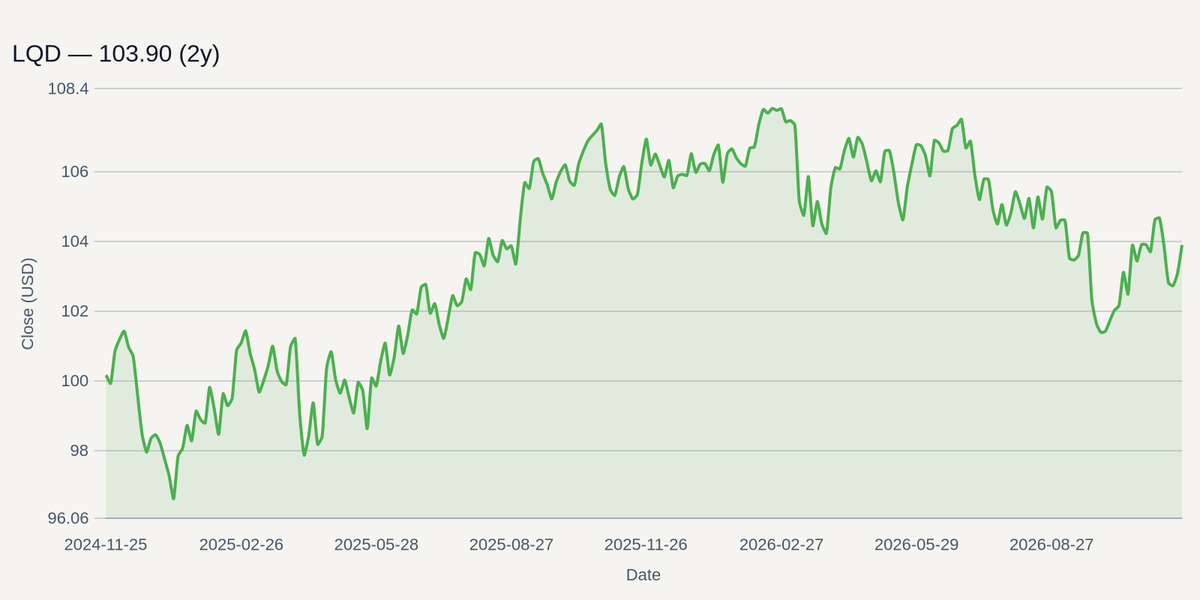
The primary risk to this thesis lies in the equity premium itself. If a broader macro shock structurally compresses multiples, the zero-cost equity well dries up. Suddenly, even the mega-caps would be forced back into a 6% to 8% bond market, fundamentally changing the unit economics of the current hardware revolution.