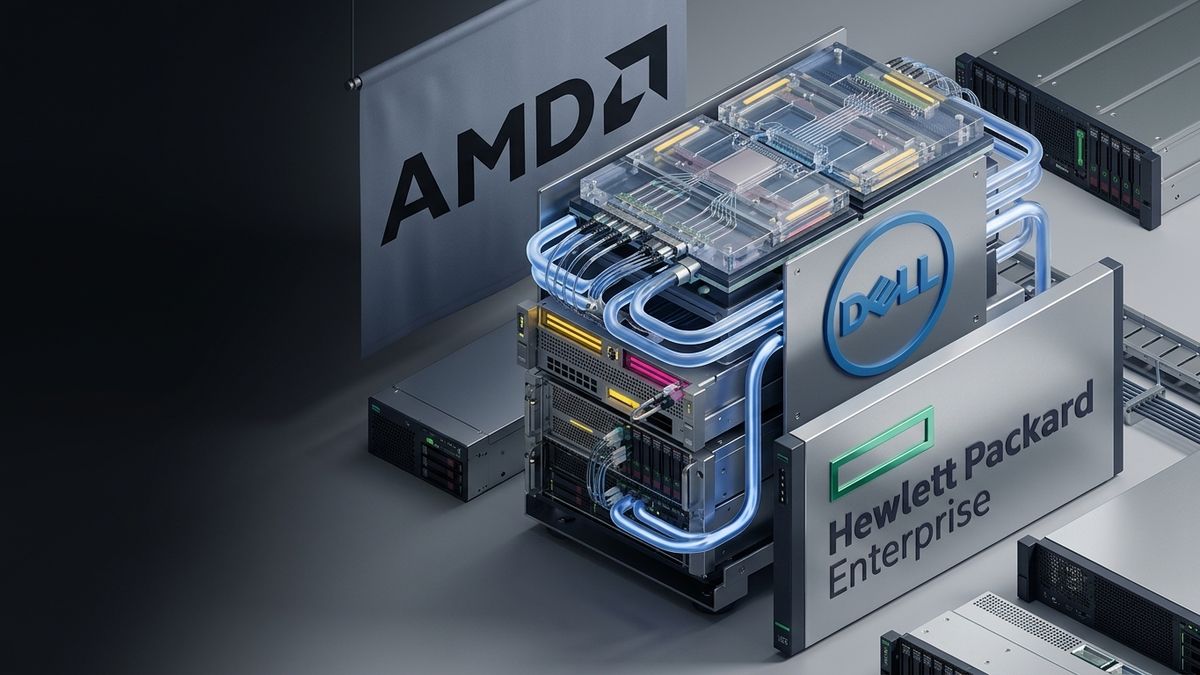
The physics of next-gen silicon have officially outrun the mechanics of air cooling. Pack enough high-performance GPUs into a standard datacenter rack, and you essentially build a million-dollar pizza oven. The barrier to scaling compute is no longer just securing silicon allocation—it is plumbing the facilities to stop the servers from melting.
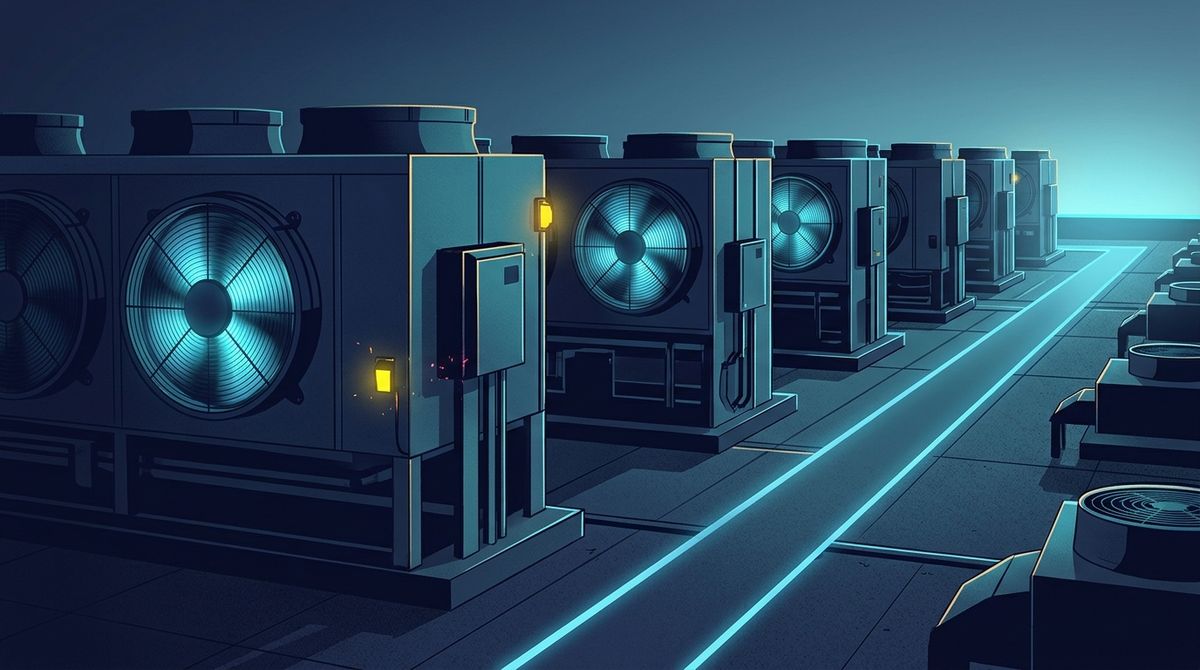
For the better part of two decades, datacenter thermal management meant blowing intensely cold air across hot metal. That works fine when a rack draws 15 kilowatts of power. But as thermal design power (TDP) per chip pushes past 1,000 watts and rack densities breach the 100-kilowatt threshold, air cooling simply taps out.
The 100-Kilowatt Physics Problem
Water possesses roughly 3,000 times the volumetric heat capacity of air. When you hit extreme compute density, transitioning to direct-to-chip (DTC) liquid cooling is not an operational preference—it is a thermodynamic necessity. This forces a violent capex shift in the facility layer, requiring operators to rip out raised floors and install closed-loop liquid manifolds.
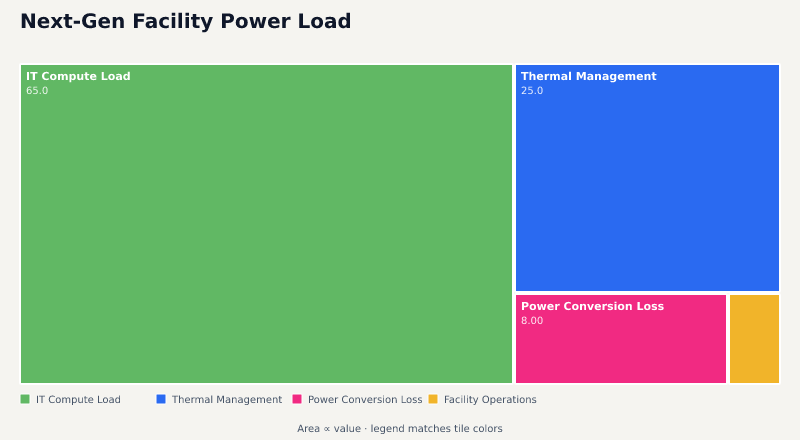
This retrofit cycle is stranding billions in legacy infrastructure while funneling massive premiums to the vendors who can manage fluid dynamics. Datacenters built just three years ago are functionally obsolete for top-tier training clusters without aggressive, capital-intensive overhauls. The unit economics of building a new facility now index heavily toward power conditioning and heat rejection.
Who Captures the Thermal Premium
The margins flow directly to the Industrials infrastructure providers sitting at this bottleneck. Companies like Vertiv and Modine Manufacturing are no longer just selling commercial air conditioners. They are selling the foundational enabling technology that dictates whether an advanced cluster can actually be turned on.
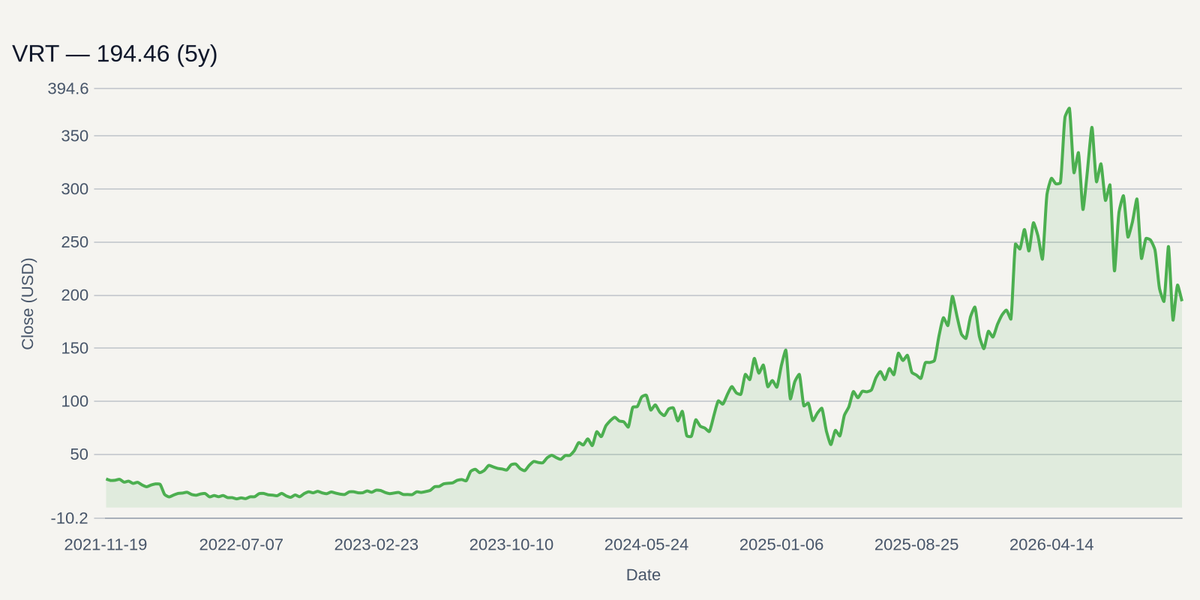
The market has not missed this plumbing renaissance, and infrastructure multiples have stretched accordingly to reflect the growth. The key risk here is cyclical over-ordering; if hyperscalers double-book thermal gear to secure delivery, the eventual backlog normalization could compress margins. Scouter helps you navigate this by analyzing fundamental data and historical price volatility around earnings, allowing you to model scenarios and assess whether peak capex is already fully priced in.