
The trade war just went digital. On Friday afternoon, President Donald Trump threatened 100% tariffs on any nation imposing a digital services tax on American tech firms . This is not a weekend political spat.
It is the climax of a multi-year, structural rewiring of how global governments extract revenue from borderless tech monopolies. The slow-moving OECD tax debates are dead, replaced by immediate reciprocal brinkmanship.
The mechanics of a borderless tax
For the better part of a decade, European nations have struggled to figure out how to tax silicon. Digital services taxes (DSTs) are specifically structured to bypass traditional physical-presence rules, capturing revenue from digital transactions exactly where they occur . Because the digital economy is highly dynamic, foreign governments view these levies as essential to plugging domestic revenue leaks (regardless of where a company's servers physically sit).
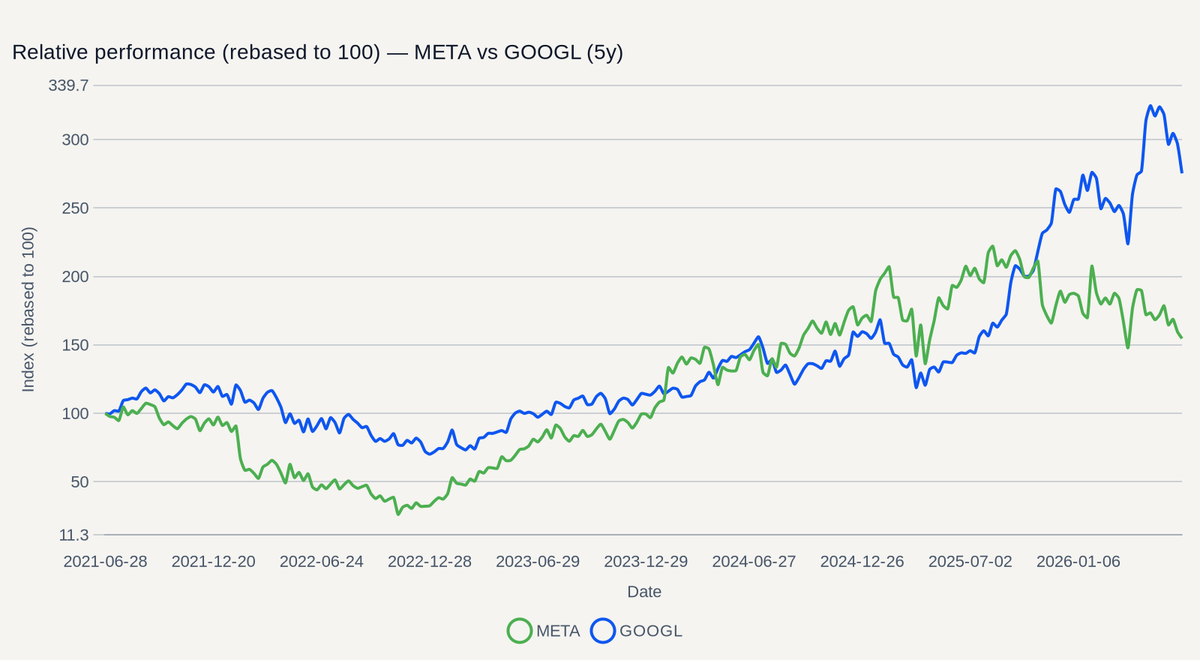
The U.S. perspective: To the Office of the U.S. Trade Representative, this is blatant, discriminatory ringfencing. The thresholds for these taxes are purposefully engineered to capture American giants like META and GOOGL while letting smaller domestic European firms slide .
Physical hammers for cloud margins
To protect the highly profitable global revenue streams of its tech champions, the administration is weaponizing the import of physical goods. The threat is absolute: a 100% tariff that immediately supersedes existing or pending trade deals if a country proceeds with a DST .
Why it matters: It forces a brutal economic calculation on allies. France has stubbornly refused to repeal its digital tax, prompting very specific threats from Washington against French wine imports (because nothing says "tech diplomacy" like holding Bordeaux hostage). Poland is aggressively preparing its own DST legislation (though it faces a likely veto from its Trump-friendly president), while the broader European Union claims a sovereign right to regulate economic activity and promises swift countermeasures .

The cross-border collateral damage
This brinkmanship creates a bizarre divergence in mega-cap risk profiles across the Information Technology sector. Pure-play software and ad-tech giants (who love nothing more than frictionless, borderless scaling) could see a major overhang lifted if these tariff threats force a retreat on foreign digital taxes. That would preserve their high-margin unit economics without them having to lift a finger.
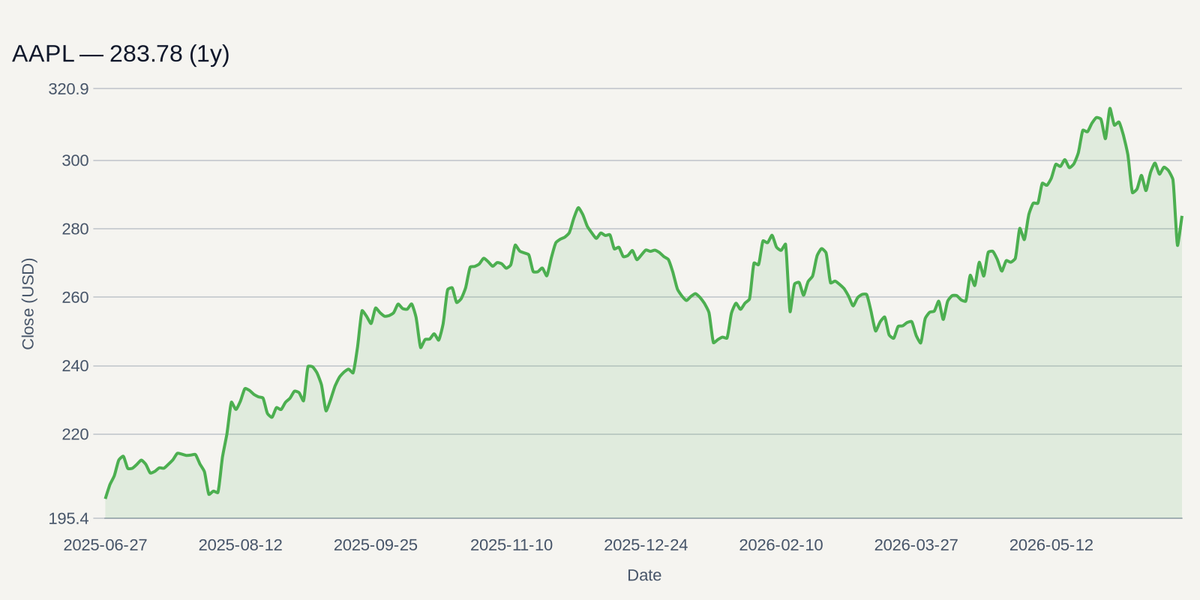
The hardware trap: The retaliation playbook changes entirely if Europe decides to hit physical goods instead of digital services. While AAPL and AMZN have spent years building out high-margin international services, their physical hardware and retail operations remain highly sensitive to supply chain friction. If a digital tax dispute triggers retaliatory physical tariffs, hardware margins will be the first to get caught in the crossfire.
Q2 earnings and the tariff countdown
The market is just waking up to the speed of this geopolitical transmission mechanism. The White House recently demonstrated its hardline playbook, using tariff threats to push India into scrapping its digital ad tax and committing to negotiate bilateral digital trade rules under a pending interim trade deal . (Though New Delhi is still holding out for better tariff terms before officially signing on the dotted line.)
The timeline: The European Union just rushed through final approval of its tariff deal with the U.S. to beat a July 4 deadline. However, the ink is barely dry, and a fresh standoff is already brewing over European digital services taxes. The ultimate tell will be Q2 mega-cap earnings reports starting next month, where management teams will have to quantify exactly how much of their international growth is exposed to this escalating tariff threat.