Global equities tumbled today as the White House moved to propose aggressive new tariffs on 14 major trading partners, anchoring a 20% levy on Chinese imports. But while the broader market trades the immediate macroeconomic shock, the true structural story lies underneath: a massive, forced domestic capex cycle.
The death of geographic labor arbitrage
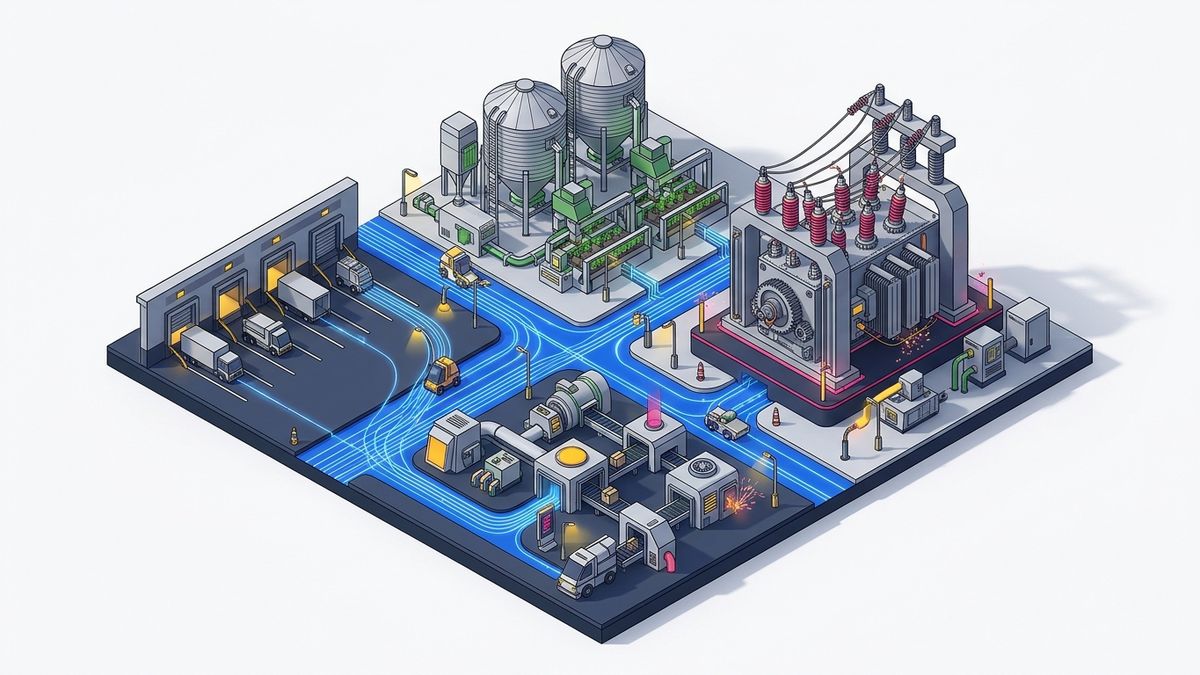
When tariffs permanently elevate the cost of imported goods, the legacy math of offshoring breaks down. U.S. manufacturers—already squeezed by tight domestic labor markets and persistent wage inflation—are being cornered into an 18-to-36 month capex mandate to rebuild their supply chains behind domestic trade walls. This is triggering a structural supercycle in industrial automation as companies rush to replace geographic arbitrage with robotic infrastructure .
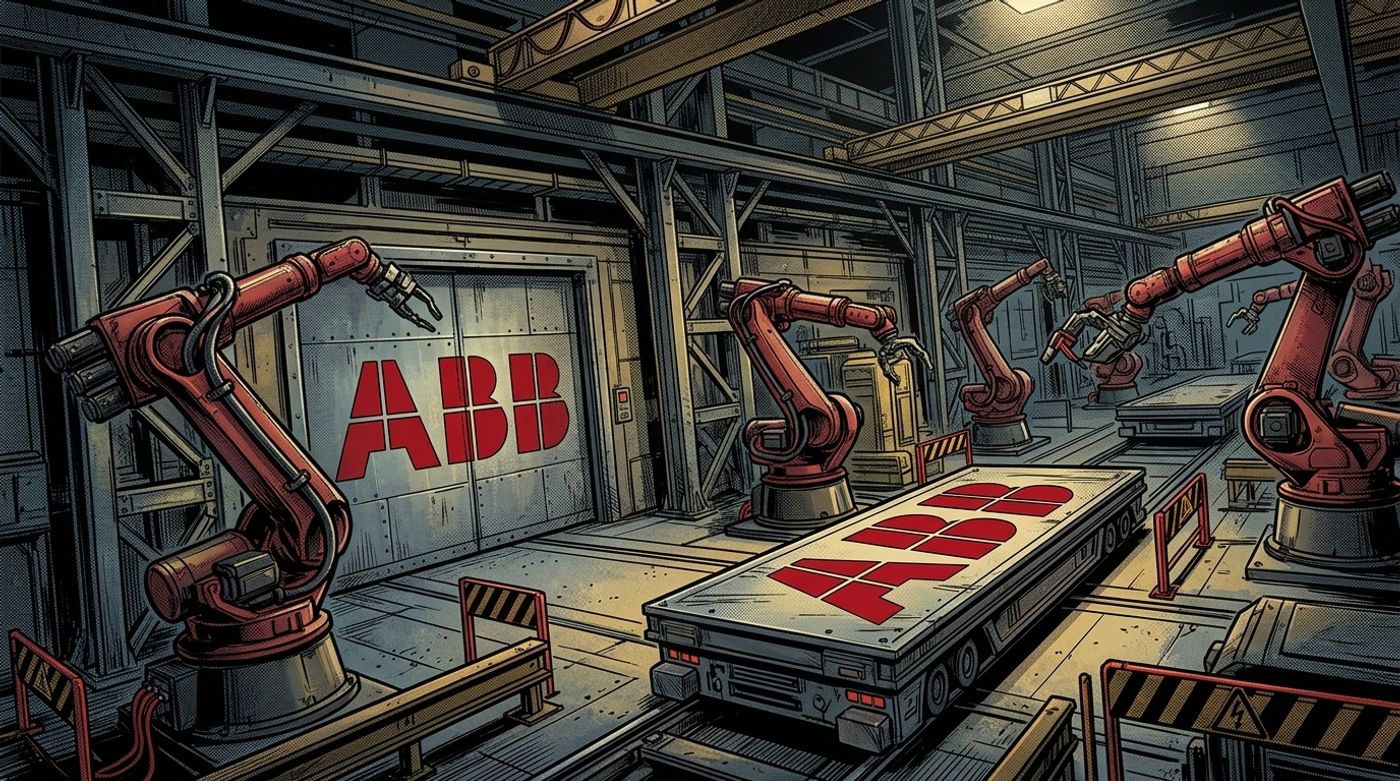
This shift heavily favors pure-play automation giants and smart factory integrators. Leaders like FANUC and ABB spent the last year integrating physical AI into their robotic endpoints, shifting the value proposition from simple repetition to complex machine vision and adaptive assembly.
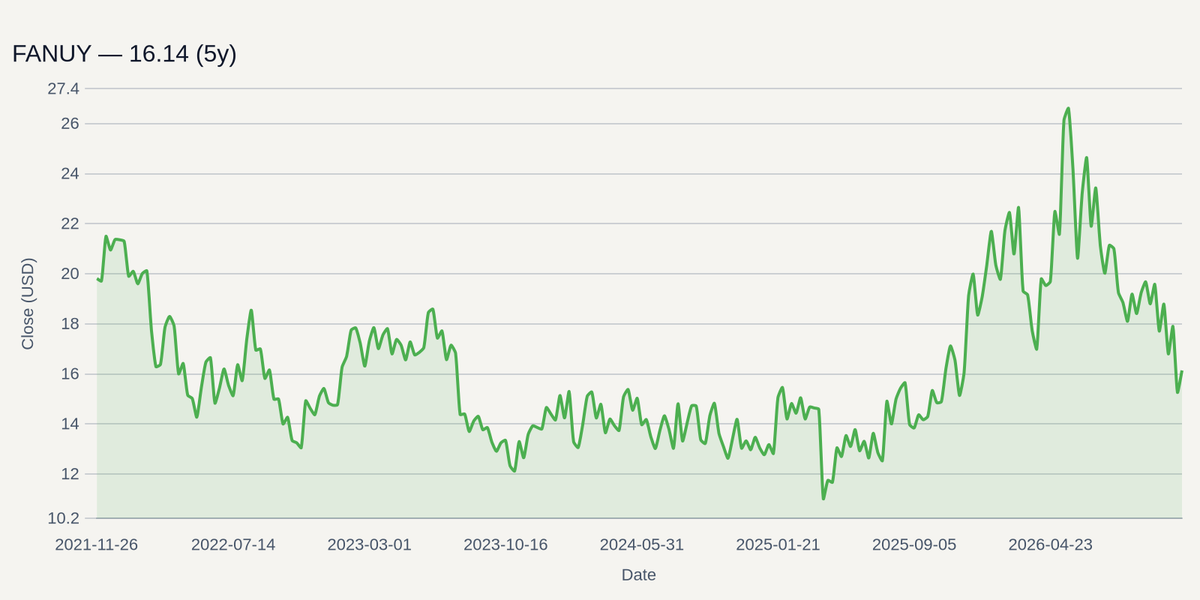
Pricing the factory floor rebuild
For institutional investors, the question is how to price the hardware transmission. Look at Schneider Electric, which sits at the intersection of grid management and factory software. With formidable free cash flow, the company is positioned to act as a consolidator in the space.
Scouter's catalyst modeling on Schneider highlights a pivotal full-year earnings checkpoint approaching in early 2027. If management can deliver resilient margins and affirm organic growth despite cyclical headwinds, the modeled scenario points toward a $58.00 target. Conversely, any margin compression from input costs or tariff blowback could trigger a de-rating toward a $48.00 fallback.
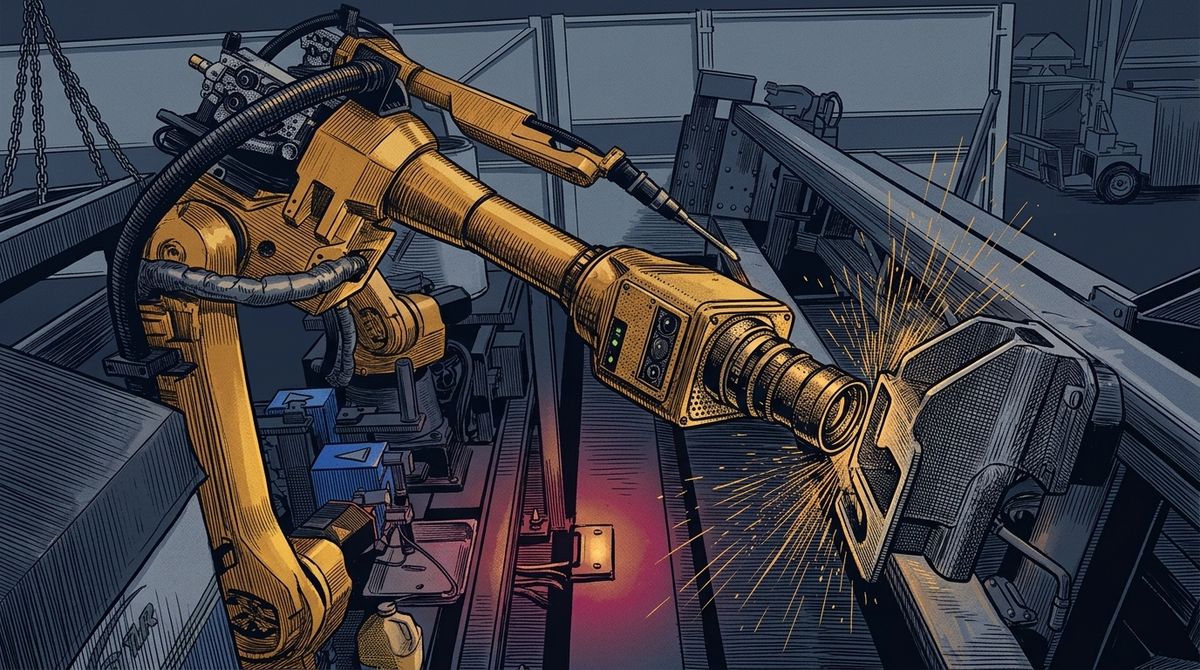
The transition is fiercely capital intensive. High upfront costs remain the primary bottleneck for small and medium-sized manufacturers looking to modernize . This creates a brutal liquidity test for mid-cap suppliers and integrators attempting to scale alongside the mega-caps.
The capital structure test
Consider Helios Technologies, which faces intense scrutiny heading into its 2027 earnings cycle. The market will demand proof of improving margins and a fortified order book to justify its multiple. Meanwhile, micro-cap players like Chicago Rivet & Machine (CVR) face tighter working-capital constraints as they manage credit facilities while navigating erratic industrial order cycles.
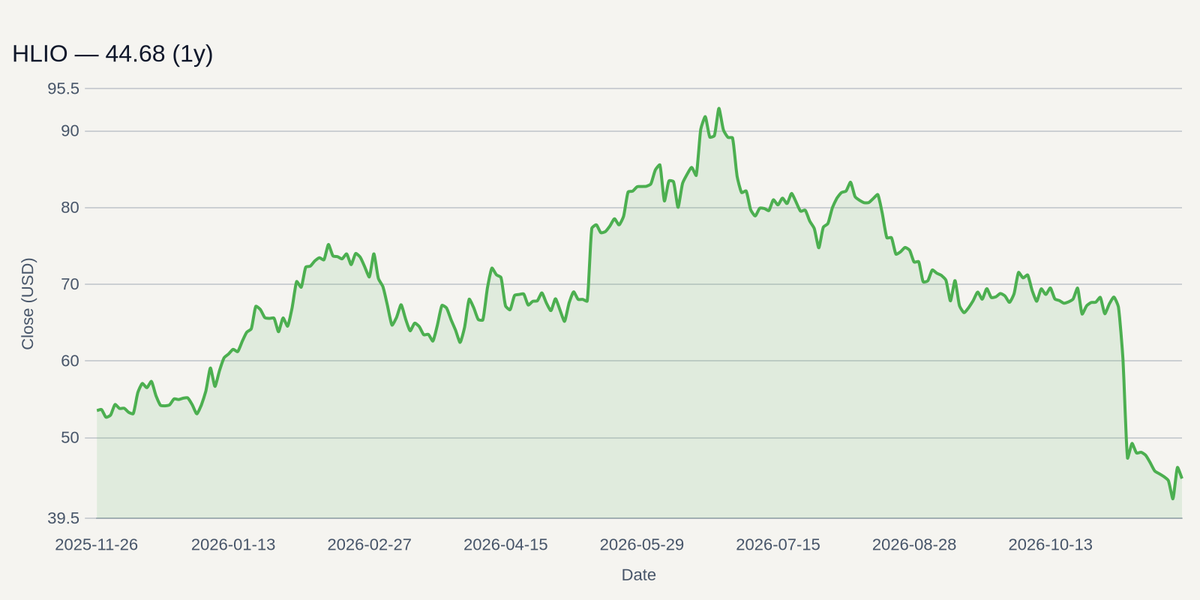
Scouter's scenario modeling outlines a bull-case target near $11.00 for CVR upon securing a clean credit extension, contrasted with a $6.50 structural floor if dilutive financing is needed to support operations. The Industrial Automation theme will reward those with pristine balance sheets, ruthlessly punishing the rest.
Executing a physical rebuild of the U.S. industrial base is inherently messy. Regulatory delays and the physical friction of deploying new heavy machinery will inevitably drag on corporate margins before the promised efficiency gains materialize . If a broader macroeconomic slowdown forces end-consumers to pull back, manufacturers could freeze this essential capex entirely—turning a robotics supercycle into a liquidity trap for the suppliers left holding the bag.