Supply chains just spent four years bleeding out excess capacity. Now, equipment utilization is rising and spot prices are finally firming, signaling an end to the 2022–2026 freight recession . But operators trying to ride the cyclical recovery face an immediate roadblock: the Trump administration's late-night proposal to slap 10% to 12.5% tariffs on 59 countries and the European Union under Section 301.
Shippers were already embracing nearshoring and cold chain investments to build supply chain resilience . The threat of these forced-labor tariffs rolling out as soon as July pours gasoline on that shift. This friction forces complex routing overhauls across the Supply Chain Logistics & Freight Transportation landscape. Asset-light freight brokerages like CHRW and pure-play contract providers like GXO capture an immediate premium by helping clients map around the new choke points while avoiding direct tariff exposure.
Deferred Maintenance Collides with Margin Recovery
The prolonged downturn forced heavy consolidation, destroying pricing power for smaller operators. It also created a massive backlog of deferred fleet maintenance . Freight rates are rising despite broader industrial cooling, which theoretically bolsters carrier revenues . However, free cash flow will take a severe initial hit as operators scramble to repair aging fleets to meet recovering demand.
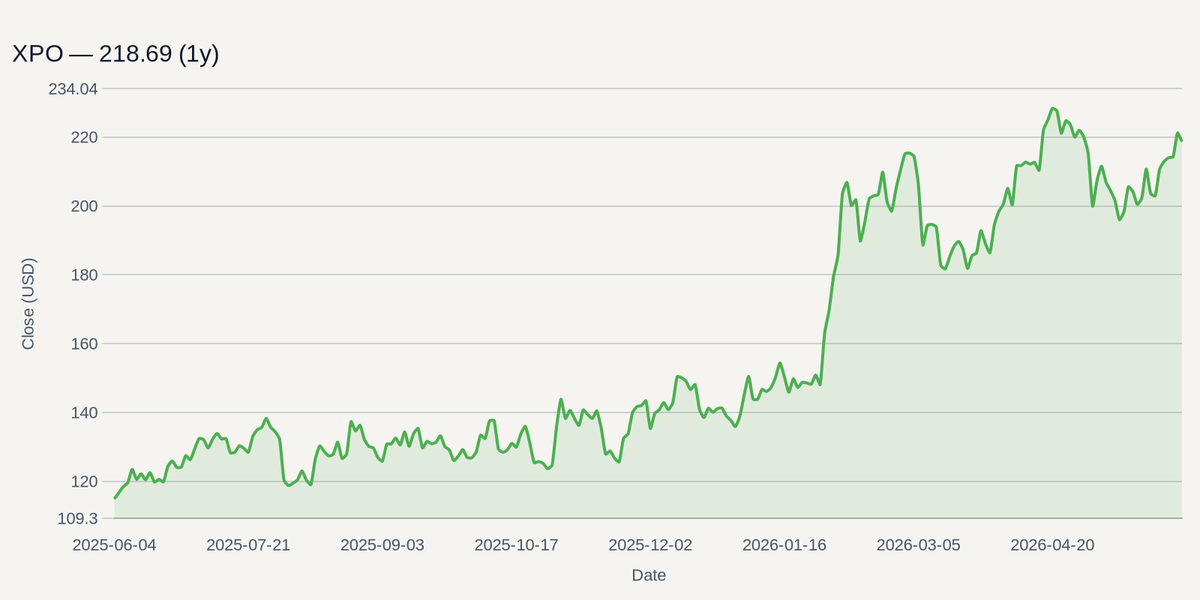
Premium less-than-truckload (LTL) carriers like ODFL and XPO command the pricing power needed to outrun these capital expenditures. Their best-in-class operating ratios provide a buffer that smaller, highly levered competitors lack. If a company cannot raise its rates fast enough to fund its deferred maintenance, it will drown in CapEx before the recovery fully materializes.
The Autonomous and AI Routing Premium
To defend margins against volatile trade policy and rising costs, logistics bellwethers are deploying AI at scale. Companies are centralizing ocean, drayage, rail, and over-the-road freight into AI-enabled ecosystems to lower upstream storage costs and build resilience .
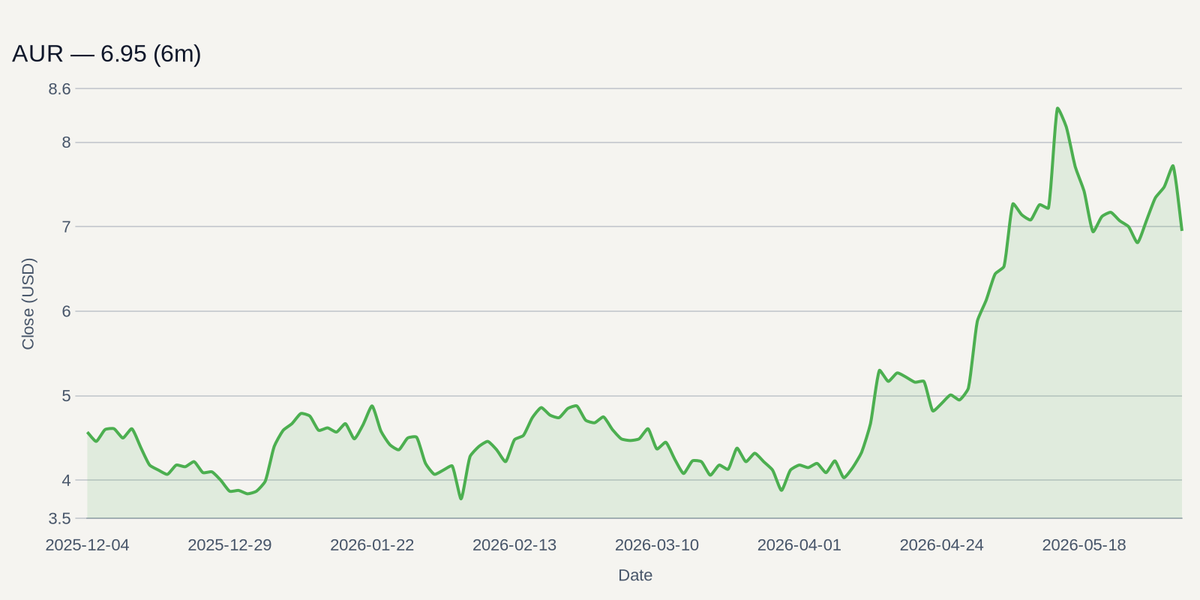
At the same time, autonomous trucking is hitting commercial reality. The new route from Volvo and AUR—running under supervised autonomy between Dallas and Oklahoma City—shows how these systems are shifting from experiments to structural efficiency drivers . While investors initially dismissed self-driving fleets as a distant science project, they are quickly becoming table stakes for carriers managing capacity whiplash.
June’s Cass Freight Index release will confirm whether spot pricing momentum can survive the incoming tariff shock. As Q2 earnings roll in through July and August, the market will separate operators leveraging AI for structural margin expansion from those sinking capital into aging trucks.