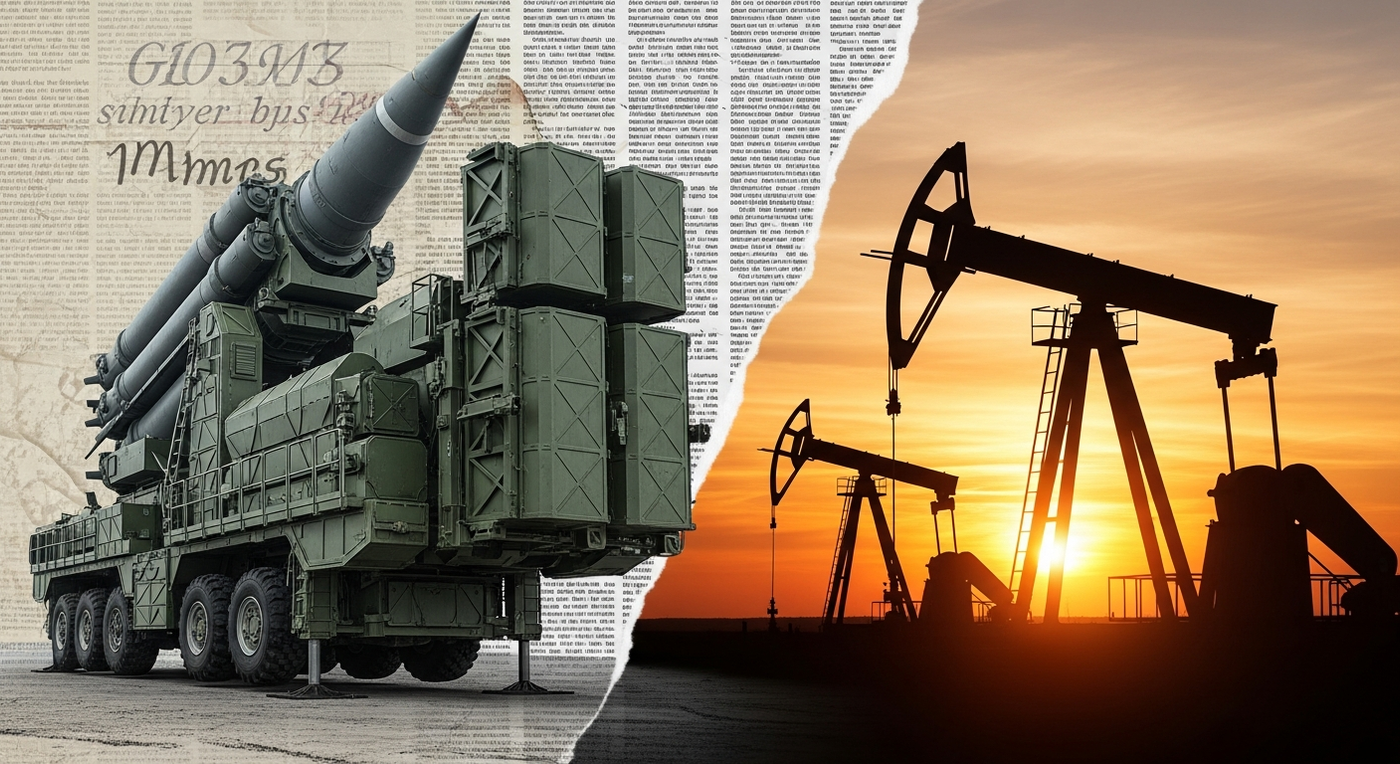
Wall Street is currently repricing risk in real-time. Following reported strikes involving U.S. and Israeli forces and the escalation of the conflict in Iran, the broad market has stumbled, but a clear rotation trade has emerged. While the Dow Jones Industrial Average plunged 785 points on Thursday—rattled by oil prices reclaiming $80 per barrel—capital is flowing aggressively into the Industrials and Energy sectors.
Investors are no longer treating this as a temporary skirmish. The market is positioning for a "prolonged kinetic conflict," driving a divergence between the broader index and defense primes. As the chart below illustrates, defense contractors like Northrop Grumman are seeing significant momentum as capital seeks safety from geopolitical volatility.
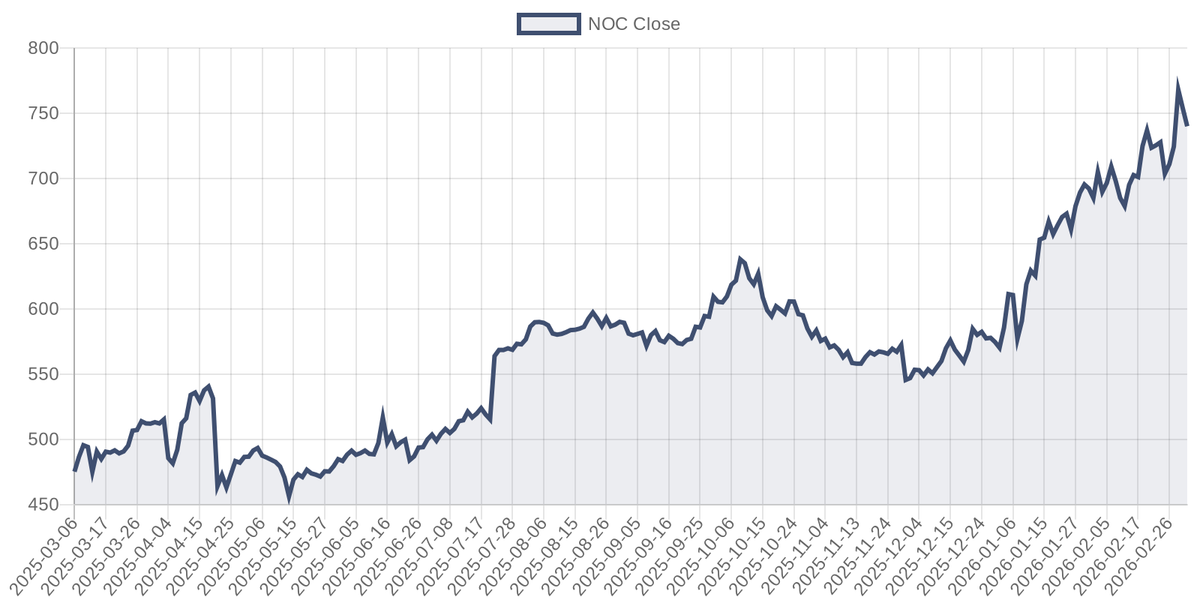
The "War Premium" Returns
The immediate trigger for the selloff was the spike in crude oil, with prices reaching levels not seen since 2024. According to Investopedia coverage, this resurgence in energy costs has reignited fears of a supply shock that could dampen economic activity and squeeze corporate margins.
However, for the Aerospace & Defense industry, the conflict represents a potential supercycle of replenishment. Scouter AI's deep dive into the Iranian Conflict Escalation trend highlights a "Hype" score of 9/10, indicating that market attention has shifted entirely to this narrative, overshadowing other economic data.
This sentiment shift has benefitted key players:
- Leidos Holdings: Highlighted as a top pick for its exposure to defense tech spending.
- General Dynamics: A core holding for conflict duration due to its land systems and munitions portfolio.
- RTX Corp: Critical for missile defense systems like the Patriot, which are likely to see inventory depletion and subsequent restocking orders.
Inflation Anxiety vs. Sector Hedges
The broader anxiety stems from the potential for "sticky" inflation. If oil prices remain elevated due to disruptions in the Strait of Hormuz, the Federal Reserve's path to rate normalization becomes complicated. Higher energy costs act as a tax on the consumer, which explains why the selloff was broad-based, hitting everything from financials to tech.
Yet, not all defensive plays are military. Costco Wholesale has emerged as a retail hedge, with analysts expecting it to exceed expectations despite the gloomy tape. In times of uncertainty, the recurring revenue of the membership model offers a different kind of armor for portfolios.
Looking Ahead: The "Day 8" Stability Check
While the current mood is fearful, historical analysis suggests panic selling often has a shelf life. Scouter AI's analysis points to a "Day 8 Stability Check"—a historical pattern where buy opportunities often emerge roughly eight days post-shock as the initial panic subsides and the market assesses the actual, rather than feared, economic damage.
Investors should closely watch the "Next Steps" clarification regarding U.S./Israel military strategy. A clear definition of the retaliation cycle could either cap the volatility or, if open-ended, entrench the current risk-off environment further. Conversely, the main risk to the "long defense" trade is a Diplomatic Circuit Breaker—an unexpected ceasefire that could deflate the war premium as quickly as it inflated.