The AI boom that propelled tech valuations to stratospheric heights has hit a wall of investor skepticism. A theme that was once a universal tailwind is now being viewed as a double-edged sword, sparking a fierce selloff in the very mega-cap names that led the rally. According to a recent Reuters report, fears over the colossal cost of AI infrastructure have wiped out hundreds of billions in market value since the start of 2026, with Microsoft (MSFT) and Amazon (AMZN) losing a combined $950 billion.
The market's mood has palpably shifted. After years of rewarding long-term AI ambition, investors are now demanding near-term proof of profitability. The central question has changed from *if* a company has an AI strategy to *if* that strategy can generate sufficient returns to justify the massive capital expenditure required. Amazon's recent warning that its capex could jump more than 50% this year crystallized these fears, sending a chill through the growth-oriented tech sector.
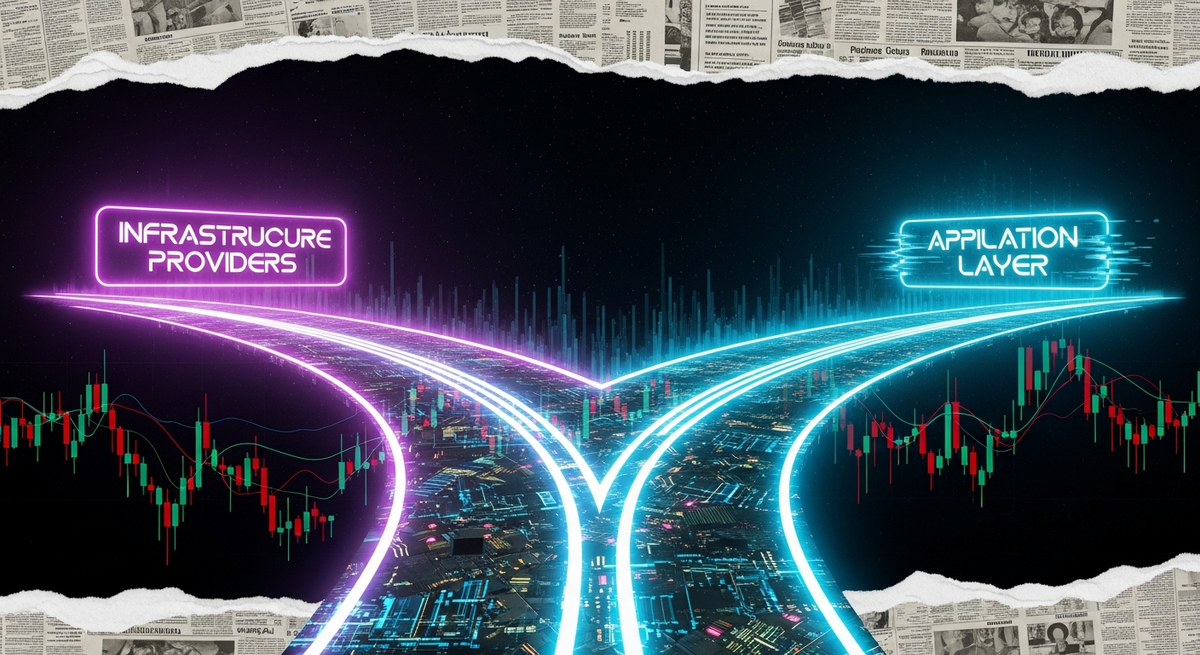
This shift is creating a great divide in the market. On one side are the hyperscalers and software giants facing immense pressure to monetize their AI investments. On the other are the companies providing the essential “picks and shovels” for the buildout. This latter group, which includes names in the Semiconductors & Semiconductor Equipment industry, stands to benefit from the spending boom itself.
Companies like Nvidia (NVDA), the dominant GPU provider, Taiwan Semiconductor (TSM), the world's leading chip foundry, and Broadcom (AVGO), a key player in custom chips and networking, are at the heart of this infrastructure trend. They supply the foundational hardware that powers the AI revolution, making their revenue streams less dependent on which consumer-facing AI model ultimately wins.
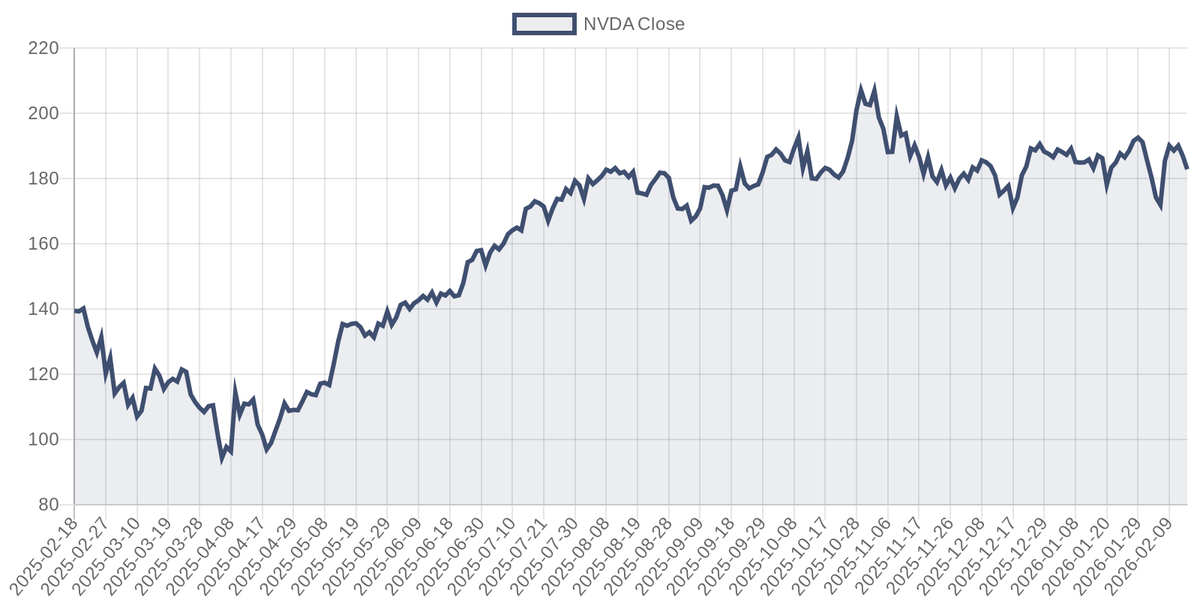
As the chart below illustrates, the recent volatility has affected even the leaders, but their central role in the AI ecosystem remains a core part of the long-term bull thesis. The market is currently grappling with valuing these names amid the broader tech pullback.
However, this is not a risk-free trade. Headwinds are gathering, including persistently high valuations that raise concerns of an AI bubble. An emerging global regulatory environment, highlighted by new rules like the EU AI Act, could create significant compliance hurdles. Furthermore, the immense cost of the infrastructure buildout could weigh on free cash flow if productivity gains don't materialize quickly, and rising competition from in-house custom silicon from Google and Amazon could eventually erode market share for established players.
All eyes will now turn to a series of critical upcoming events for clues on the sector's health. Nvidia’s Q4 earnings report on February 25 is the most immediate catalyst, serving as a vital barometer for data center demand. Following that, the company's GTC AI Conference in mid-March and other industry events like the HumanX AI Conference in April will provide further insight into enterprise adoption and the trajectory of AI spending.
While the market rightly questions the disruptive potential of AI on business models from software to logistics, the underlying investment in foundational technology continues. The current selloff reflects a necessary and sober recalibration of expectations, separating the speculative hype from the tangible reality of the AI Infrastructure buildout.