
The escalation of the conflict in Iran since February 28, 2026, has transcended energy markets, triggering a structural shift in the Performance Materials & AI-Enabling Chemicals sector. While oil price volatility typically dominates headlines during Middle Eastern unrest, the current blockade in the Strait of Hormuz has created a critical shortage of helium and other noble gases essential for high-end semiconductor manufacturing and medical imaging. As noted by Sage Advisory, this energy-linked shock is now larger than the 2022 Russia-Ukraine disruption, with commodity goods prices jumping 21% in March alone.
For investors, the 'so-what' extends beyond temporary price spikes. We are witnessing the dismantling of the 'just-in-time' inventory regime that has defined corporate strategy for four decades. According to analysis from Confluence Investment Management, companies are pivoting toward high inventory levels to shield themselves from geopolitical fracturing. This move from 'just-in-time' to 'just-in-case' creates a massive demand tailwind for suppliers of specialty chemicals and advanced composites that can be stockpiled as strategic assets.
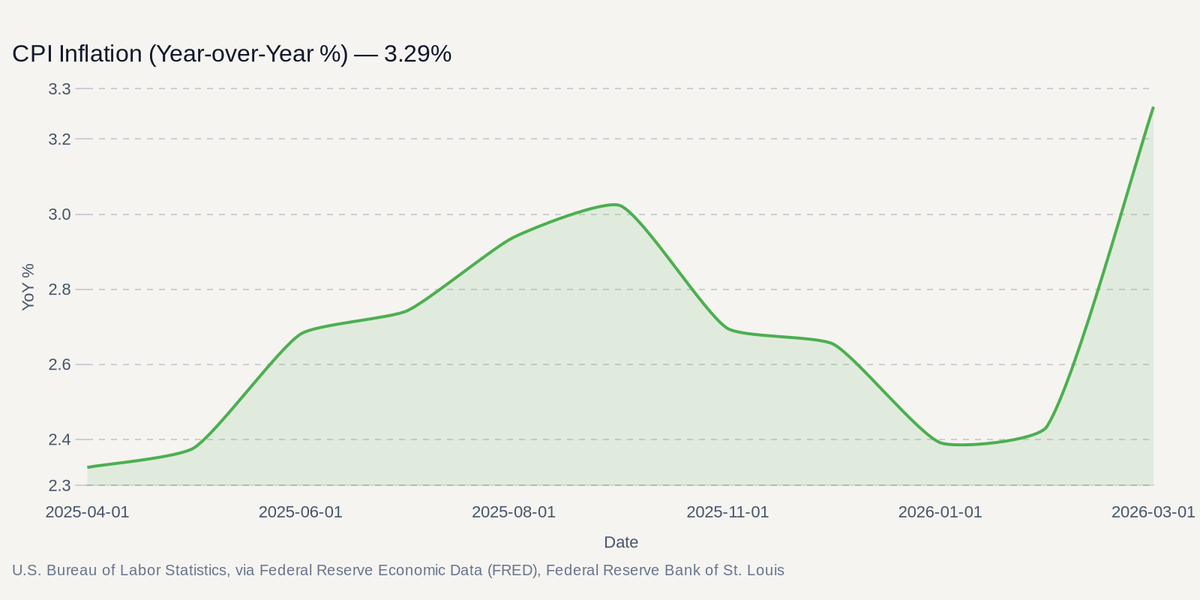
As the chart above illustrates, the recent spike in headline inflation has been driven aggressively by energy and commodity inputs, while core inflation remains relatively anchored at 2.6%. This divergence is keeping the Federal Reserve in a 'prolonged policy pause,' providing a stable, if high-rate, environment for materials companies to pass through costs to desperate industrial buyers.
The AI and Aerospace Nexus
The materials sector is also benefiting from a structural 'super-cycle' in Information Technology and Industrials. In March 2026, Applied Materials, Micron, and SK Hynix successfully launched a $5 billion R&D center dedicated to AI-memory materials. This underscores the reality that AI scaling is no longer just a software or logic-chip challenge; it is a materials engineering challenge. Companies like Linde plc are seeing increased leverage as the dominant providers of high-purity specialty gases required for the 3D stacking and advanced packaging of HBM (High Bandwidth Memory).
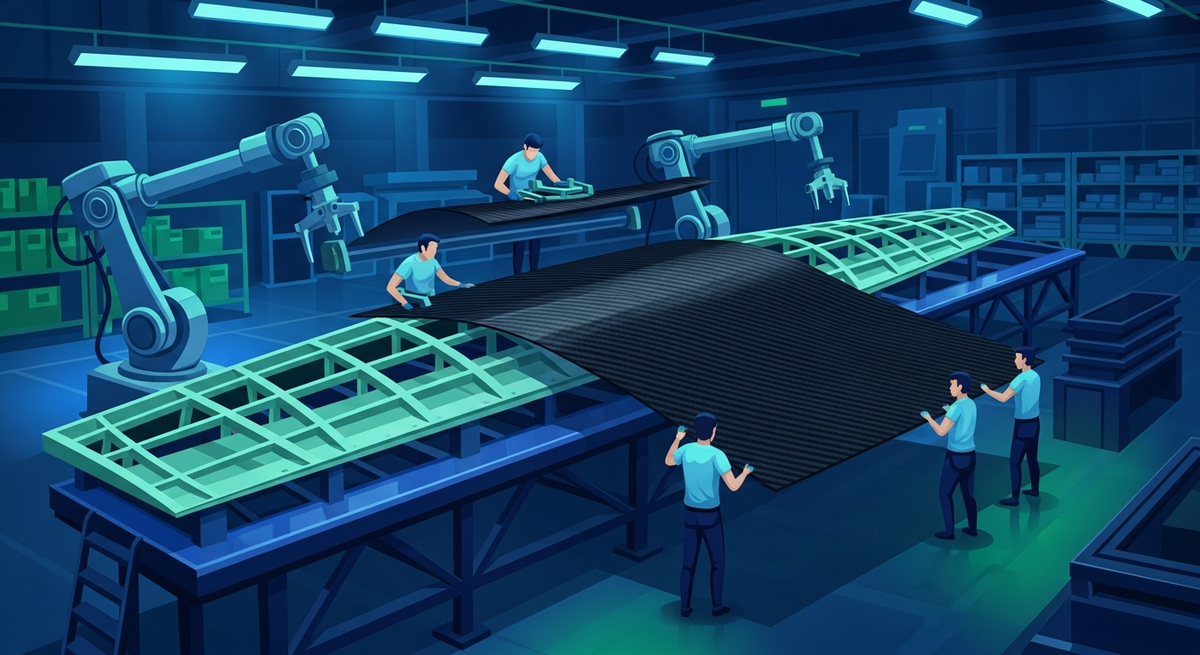
Simultaneously, the aerospace sector is entering a production ramp-up. Hexcel Corporation, a leader in carbon fiber composites, is positioned to benefit from the Q2 2026 production increases for the Airbus A350 and Boeing 787 programs. As airlines seek fuel efficiency to offset higher energy costs, the move toward lightweight carbon fiber structures is no longer optional.
Navigating the 'Toxicity Debt'
Despite the bullish catalysts, the sector faces a significant headwind in the form of 'toxicity debt.' Following an EPA extension finalized on April 9, 2026, the TSCA PFAS reporting deadlines are now set for October 13, 2026. This regulatory wall is expected to force a definitive industry shift away from 'forever chemicals,' likely punishing legacy chemical providers while rewarding pure-play specialty firms like Syensqo SA, which are focused on PFAS-free substitutions and high-growth electric mobility materials.
While the dominant market narrative remains focused on the potential for rate cuts, the real alpha is currently found in the underlying 'materials engineering' required for the next decade of infrastructure. The combination of geopolitical scarcity and the AI-driven packaging boom suggests that the Materials sector is evolving from a cyclical backwater into a high-margin, high-growth prerequisite for the digital age. Investors should look for names with deep exposure to advanced semiconductor packaging and aerospace composites, where price inelasticity is highest during supply shocks.